Anti-Drone Systems Meet Their Match: Why Containerized Defense Pods Outperform Static Solutions
 D. Marsh
Static anti-drone installations look impressive on paper. Fixed radar arrays, hardened bunkers, and permanent power infrastructure suggest invincibility. The reality? They're sitting ducks.
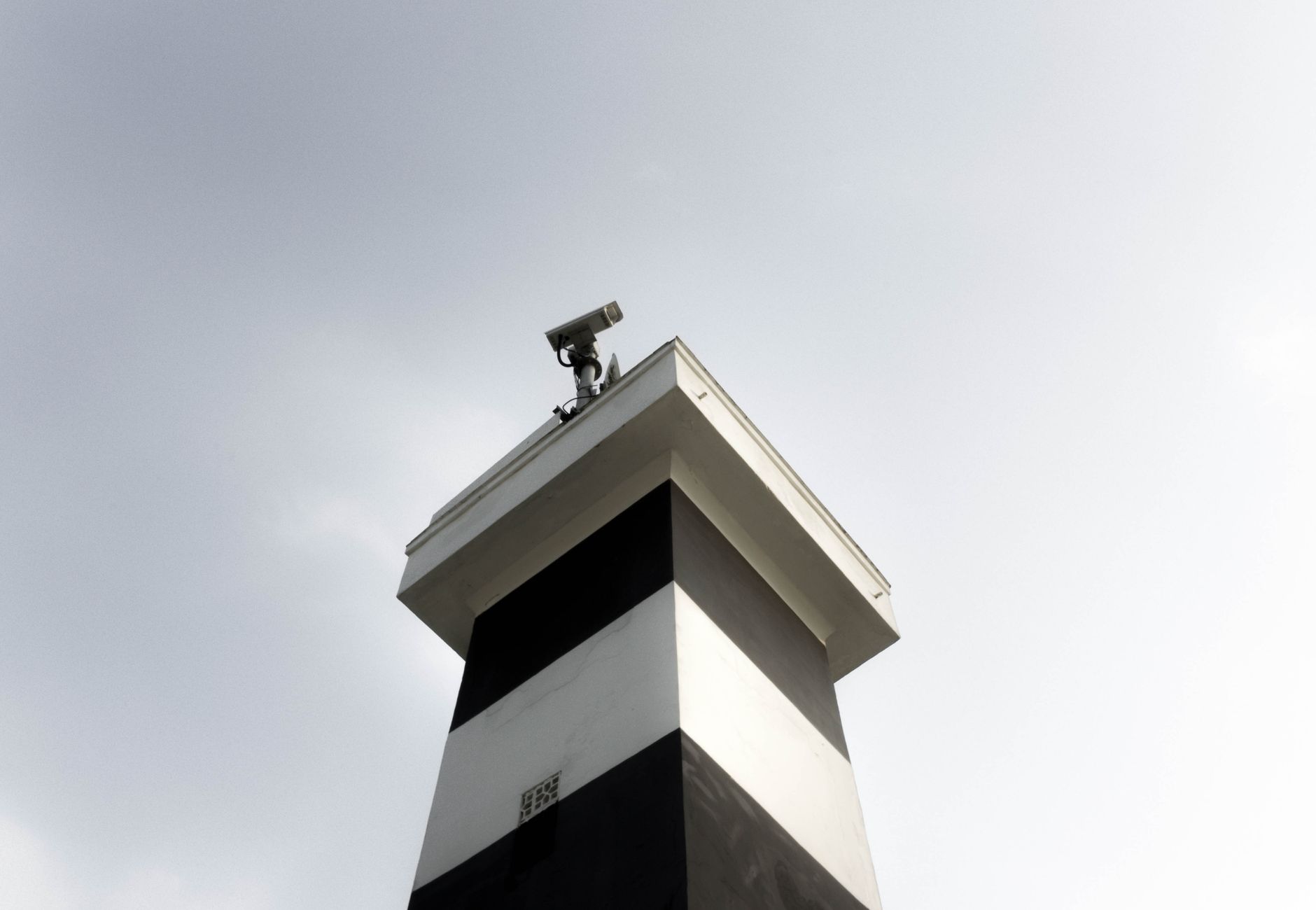 Photo by Maurício Mascaro on Pexels.
Modern drone threats move faster than procurement cycles. By the time you've installed a fixed counter-UAS system, adversaries have already mapped its coverage gaps and adapted their approach vectors. Containerized defense pods flip this equation entirely.
Mobility Changes Everything
Fixed installations broadcast their positions to anyone with Google Earth access. Containerized counter-UAS systems deploy where threats emerge, not where budgets allocated space three years ago. A 20-foot ISO container houses the same radar, jamming, and kinetic intercept capabilities as a permanent facility, but arrives on-site within hours, not months.
Consider recent developments in Ukraine: static air defense positions get identified, targeted, and destroyed. Mobile systems survive by never staying put. The same principle applies to counter-drone operations, where threat vectors shift daily based on intelligence and tactical requirements.
Integration Speed Matters
Permanent installations require extensive site preparation, power infrastructure, and communications integration. Each deployment becomes a construction project. Containerized systems arrive with everything needed: integrated power management, self-contained cooling, and standardized data connections.
The tactical advantage compounds when you need overlapping coverage. Instead of engineering complex integration between disparate fixed systems, you deploy multiple containers with pre-configured mesh networking. Each pod communicates automatically with others, creating seamless coverage zones without months of systems integration work.
flowchart TD
    A[Threat Detection] --> B{Threat Classification}
    B --> C[Coordinate Response]
    C --> D[Pod Alpha: Electronic Attack]
    C --> E[Pod Beta: Kinetic Intercept]
    C --> F[Pod Gamma: Area Denial]
    D --> G[Threat Neutralized]
    E --> G
    F --> G
Cost Realities
Fixed counter-UAS installations often exceed $50 million per site when you factor in construction, integration, and ongoing maintenance. Containerized pods cost a fraction of that while providing superior operational flexibility. You're not paying for concrete foundations and permanent structures, you're buying capability that deploys anywhere.
Better yet, containerized systems scale economically. Need coverage for a temporary forward operating base? Deploy two pods for 90 days, then redeploy them elsewhere. Try doing that with a fixed installation.
Technical Advantages
Containerized counter-UAS pods excel in electronic warfare scenarios because they can reposition to optimize signal propagation. Fixed jammers work from predetermined angles; mobile pods adapt to terrain and atmospheric conditions in real-time.
The same flexibility applies to kinetic intercept systems. Launching interceptor drones from variable positions complicates enemy countermeasures significantly. Adversaries can't pre-plan evasion routes when launch points shift dynamically.
Operational Reality Check
Fixed installations make sense for permanent high-value targets like nuclear facilities or major ports. For everything else, temporary deployments, evolving threat environments, budget-conscious operations, containerized solutions deliver superior results.
The military has learned this lesson repeatedly: static defenses become targets, mobile defenses become assets. Counter-drone operations follow the same logic. When your defense systems move faster than enemy intelligence cycles, you maintain the initiative.
Containerized counter-UAS pods represent more than technological advancement, they embody tactical evolution. Modern threats demand modern responses, and modern responses don't wait for concrete to cure.
Get Drone in a Package in your inbox
New posts delivered directly. No spam.
No spam. Unsubscribe anytime.