Autonomous Recharge Cycles: How Containerized Drone Systems Eliminate the Human in the Loop for Sustained Operations
 D. Marsh
Persistent coverage has always had a ceiling. Send a drone up, it flies for 30 to 90 minutes depending on platform and payload, then someone has to land it, swap batteries, run a preflight, and relaunch. That human intervention isn't a minor inconvenience. Over a 72-hour operational window, it becomes the single biggest constraint on availability, crew fatigue, and forward positioning risk.
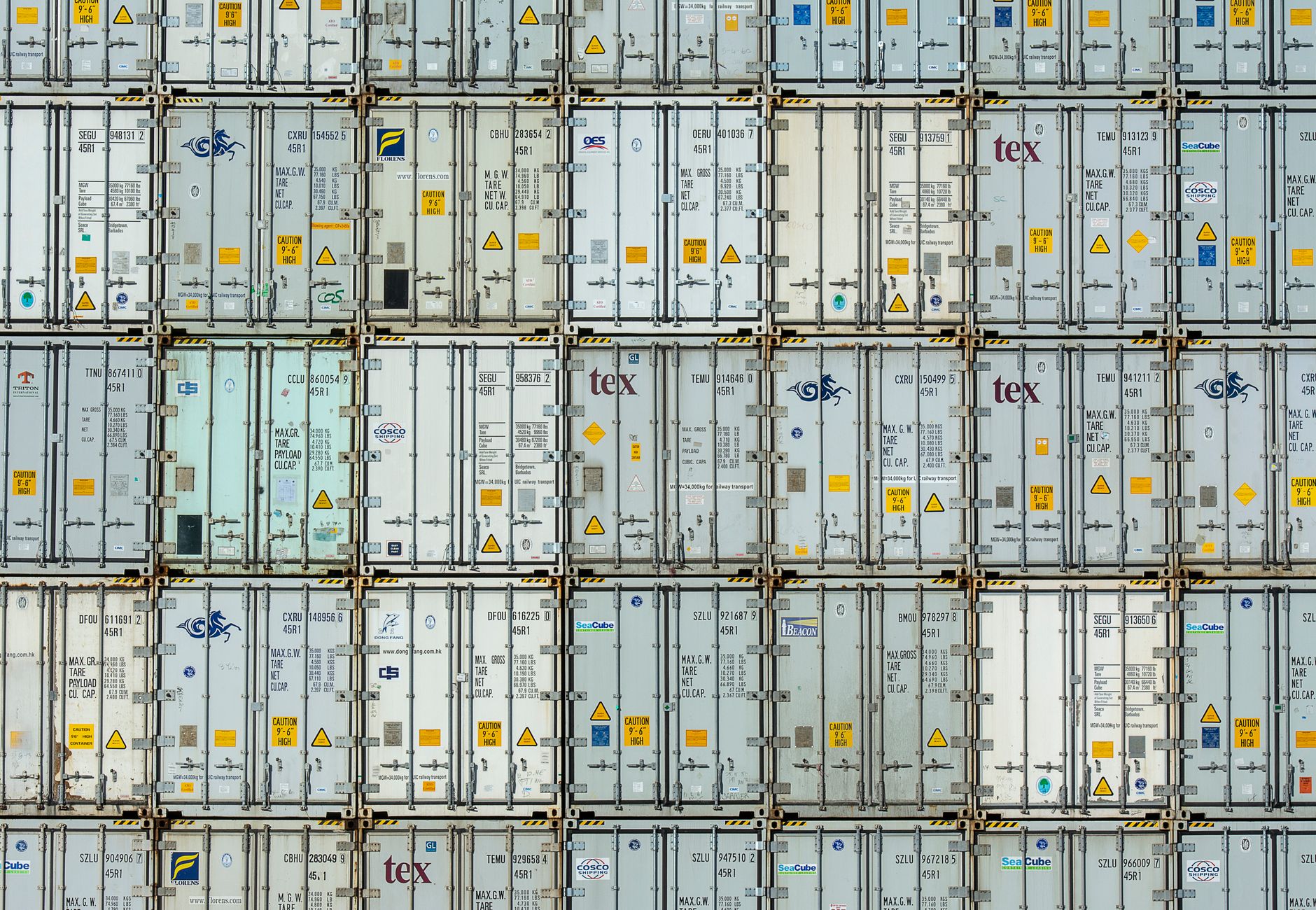 Photo by Jan van der Wolf on Pexels.
Containerized drone systems with autonomous recharge cycles break that ceiling.
What the Loop Actually Looks Like
A mature containerized recharge system doesn't just swap batteries. It manages the full turnaround: precision landing on a docking pad, battery extraction and hot-swap or trickle charge, basic sensor health checks, weather hold logic, and autonomous relaunch when conditions clear. The container handles all of it. The operator sets the mission parameters and watches the data stream.
Here's how that cycle runs in practice:
graph TD
    A[Mission Complete] --> B(Autonomous RTB)
    B --> C[Precision Dock Landing]
    C --> D{Health Check Pass?}
    D -->|Yes| E[Battery Swap / Charge]
    D -->|No| F[Maintenance Flag]
    E --> G(Relaunch on Schedule)
    F --> H[Operator Alert]
The health check step is worth pausing on. Dumb docking systems land the drone and charge it. Smart ones interrogate the airframe: motor temps, ESC logs, prop integrity sensors, gimbal response. A drone that took debris ingestion on the last sortie doesn't relaunch silently. It flags the anomaly and holds until a human clears it. That's not autonomous operation failing; that's autonomous operation working correctly.
Battery Chemistry and the Cycle Budget
Lithium polymer cells degrade with each cycle. Most operational LiPo packs are rated for 200 to 400 charge cycles before capacity drops below acceptable thresholds, and aggressive fast-charging compresses that number fast. Containerized systems with serious sustainment designs address this in two ways.
First, they carry battery depth. A well-designed container for a medium-ISR rotary platform might house six to eight packs instead of two, rotating through the cycle budget evenly rather than hammering two packs on continuous back-to-back sorties. Second, the charge management software monitors individual cell voltage curves and flags packs approaching end-of-life before they fail in flight. Predictive replacement beats reactive grounding every time.
Solid-state batteries will change this calculus significantly once they reach production scale. Higher energy density and longer cycle life directly translate to smaller, lighter container footprints with fewer spare packs required forward. Until then, the pack rotation model is the right answer.
Why This Matters for Forward Deployment
The tactical case is straightforward. A containerized system running autonomous cycles on a hilltop or rooftop provides coverage that a manned team cannot sustain without rotating shifts. Two operators managing a traditional drone setup are fatigued by hour 16. A containerized system with proper recharge automation is equally capable on hour 16 as it was on hour one.
Position also changes. Traditional drone operations require a staging area with personnel, which means a signature. Containerized autonomous systems can be forward-placed in austere locations, powered by solar or a small generator, with minimal human presence. The container sits. The drone works. The data moves via encrypted link back to wherever the operators actually are.
That separation between the platform and the operator is underappreciated in most procurement discussions. Getting people off the forward line while keeping sensors on it is a direct force protection gain.
The Failure Mode You Have to Respect
Autonomy creates complacency. When a system runs 40 sorties without an issue, operators stop watching the telemetry as closely. That's when the 41st sortie with a marginal pack or a gimbal issue goes unnoticed until the drone doesn't come back.
Good containerized systems fight this with alerting logic that surfaces exceptions rather than demanding constant monitoring. If everything is nominal, the operator dashboard stays quiet. When something deviates from expected parameters, the system escalates. Operators engage when engagement adds value; the system handles nominal operations without requiring attention.
This is how you build sustainable operations tempo with small teams. Not by replacing human judgment, but by reserving it for the decisions that actually need it.
Sustained autonomous operations without crew intervention isn't a future capability. The container handles the cycle. The operator handles the mission. That division of labor is exactly what forward deployment demands.
Get Drone in a Package in your inbox
New posts delivered directly. No spam.
No spam. Unsubscribe anytime.