Maintenance Windows in the Field: How Containerized Drone Systems Make Sustainment Practical
 D. Marsh
Most drone programs fail not at the demo stage but somewhere between the third deployment and the fourth repair cycle. The hardware works fine. The sustainment plan doesn't exist.
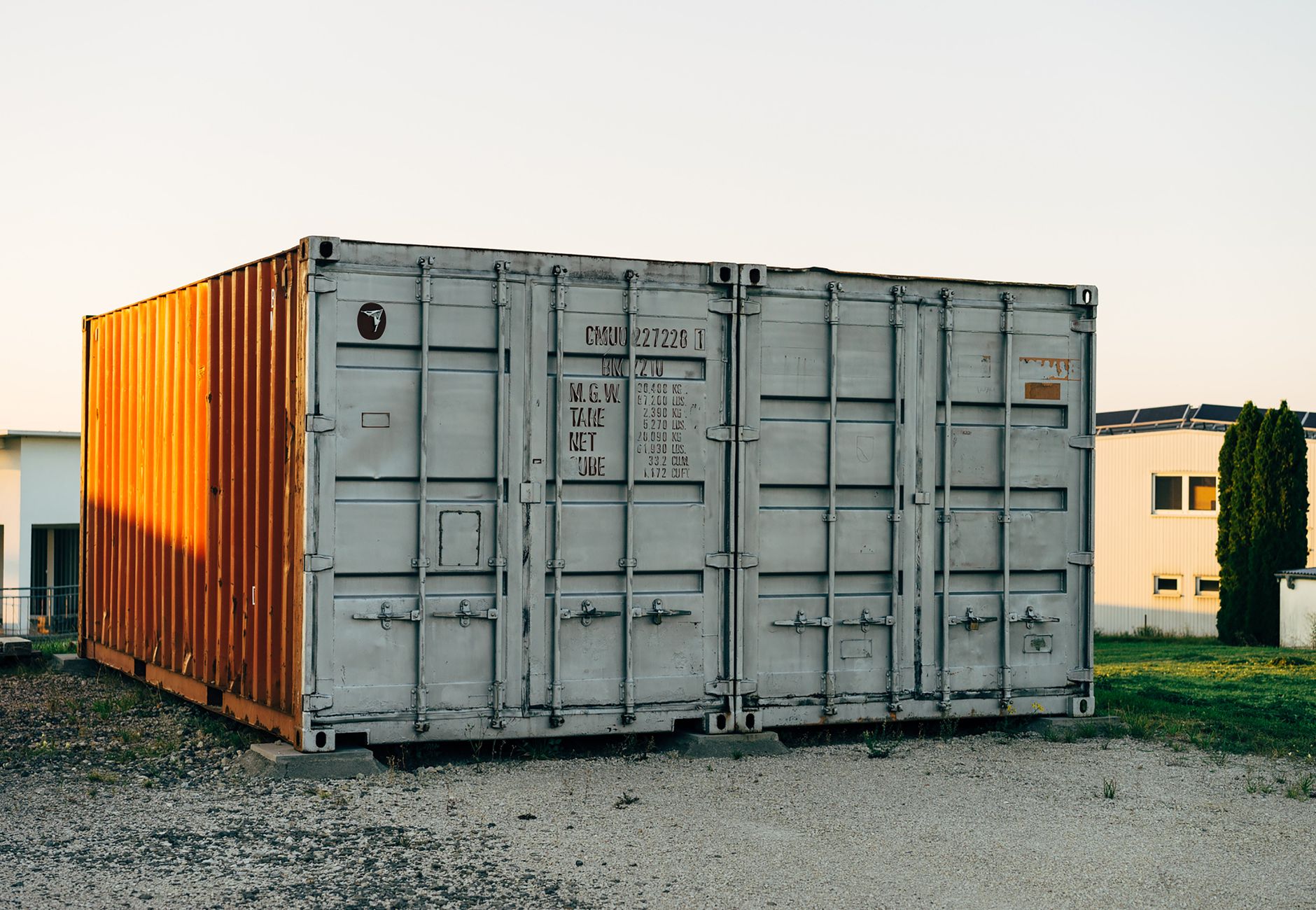 Photo by Markus Winkler on Pexels.
Field maintenance has always been the unglamorous part of unmanned systems. Program offices focus on flight hours, payload specs, and comms range. Nobody wants to talk about how a technician at a forward site is supposed to swap a damaged motor mount when the nearest depot is 400 miles back. Containerized drone systems force that conversation early, because the container either supports the maintenance workflow or it doesn't. There's no middle option.
The practical advantage starts with colocation. When the drone, its charging system, its spares kit, and its diagnostic tooling all ship inside the same ISO container, you've already solved the access problem that kills most field sustainment plans. A technician isn't hunting across three different supply channels to find the right battery connector. Everything is staged, labeled, and positioned for the rotation tempo the platform was designed to run.
graph TD
    A[Container Arrival] --> B(Initial BIT / Diagnostic Scan)
    B --> C{Fault Detected?}
    C -- No --> D[/Scheduled Launch/]
    C -- Yes --> E(Fault Isolation Procedure)
    E --> F[Line Replaceable Unit Swap]
    F --> G(Re-run Diagnostics)
    G --> D
Built-in test (BIT) systems are where containerized platforms earn their keep on sustainment. A properly integrated system runs a pre-launch diagnostic sequence that checks avionics, propulsion health, battery state, and datalink integrity before the operator ever touches the mission profile. Faults get flagged with enough specificity to identify the line replaceable unit (LRU) involved. The technician doesn't diagnose from scratch; they swap the component, re-test, and move on.
That workflow only works if the container was designed around it from the start. Bolt-together platforms crammed into a retrofitted shipping container often have poor physical access to the components that fail most. A connector buried behind a power distribution panel isn't a design oversight. It's a sustainment cost that accrues every time someone spends 45 minutes removing hardware they shouldn't have to touch.
Spare parts staging inside the container follows a similar logic. Mean time between failures (MTBF) data for the specific airframe should drive what goes in the spares kit and in what quantity. Three flight batteries for a platform with a 200-cycle battery life and a 30-day deployment tempo is a planning failure, not a supply chain problem. The container gives you a defined, bounded space to get that calculation right before the package ships.
Software sustainment gets overlooked even more than hardware. Field sites need the ability to apply firmware updates, reconfigure mission parameters, and troubleshoot datalink issues without pulling the system back to depot. Containerized systems with an embedded ground control station and a ruggedized laptop pre-loaded with the maintenance software suite handle this locally. Updates can come down via satellite link during low-operations periods and queue for technician approval before installation. That's a real sustainment posture. Waiting for a software engineer to deploy to the site is not.
Training matters here too. A container that ships with a laminated quick-reference card for the five most common faults beats a system that requires a 40-hour course before anyone is authorized to open an access panel. Not every site will have a dedicated avionics specialist. The container's sustainment design should account for the actual skill set of the people who will operate it, which sometimes means a combat engineer, not an aerospace technician.
There's also a documentation problem worth naming directly. Paper technical manuals get lost, get wet, and go out of date. Containerized systems with an embedded display or a dedicated tablet should carry the full technical library on-board, cross-referenced to the BIT fault codes. When a fault code fires at 0200 and the operator has never seen it before, a searchable on-board manual is worth more than any amount of pre-deployment classroom time.
Sustainment planning doesn't add complexity to a containerized drone program. Done correctly, it removes the complexity that otherwise accumulates at the worst possible moment. Build the maintenance workflow into the container from the first design review, not as an afterthought once the flight envelope is closed out. The programs that skip that step are the ones that accumulate dead airframes and unanswered trouble tickets while the platform that was supposed to solve the ISR gap sits in a maintenance hold nobody budgeted for.
Get Drone in a Package in your inbox
New posts delivered directly. No spam.
No spam. Unsubscribe anytime.