Desert Heat and Dust: How Containerized Drone Systems Survive High-Temperature, High-Particulate Environments
 D. Marsh
Most drone platforms are rated for operation in standard temperature ranges. Push them into 50°C ambient heat with blowing sand and fine particulate at 2,000 micrograms per cubic meter, and you find out quickly what the spec sheet actually means.
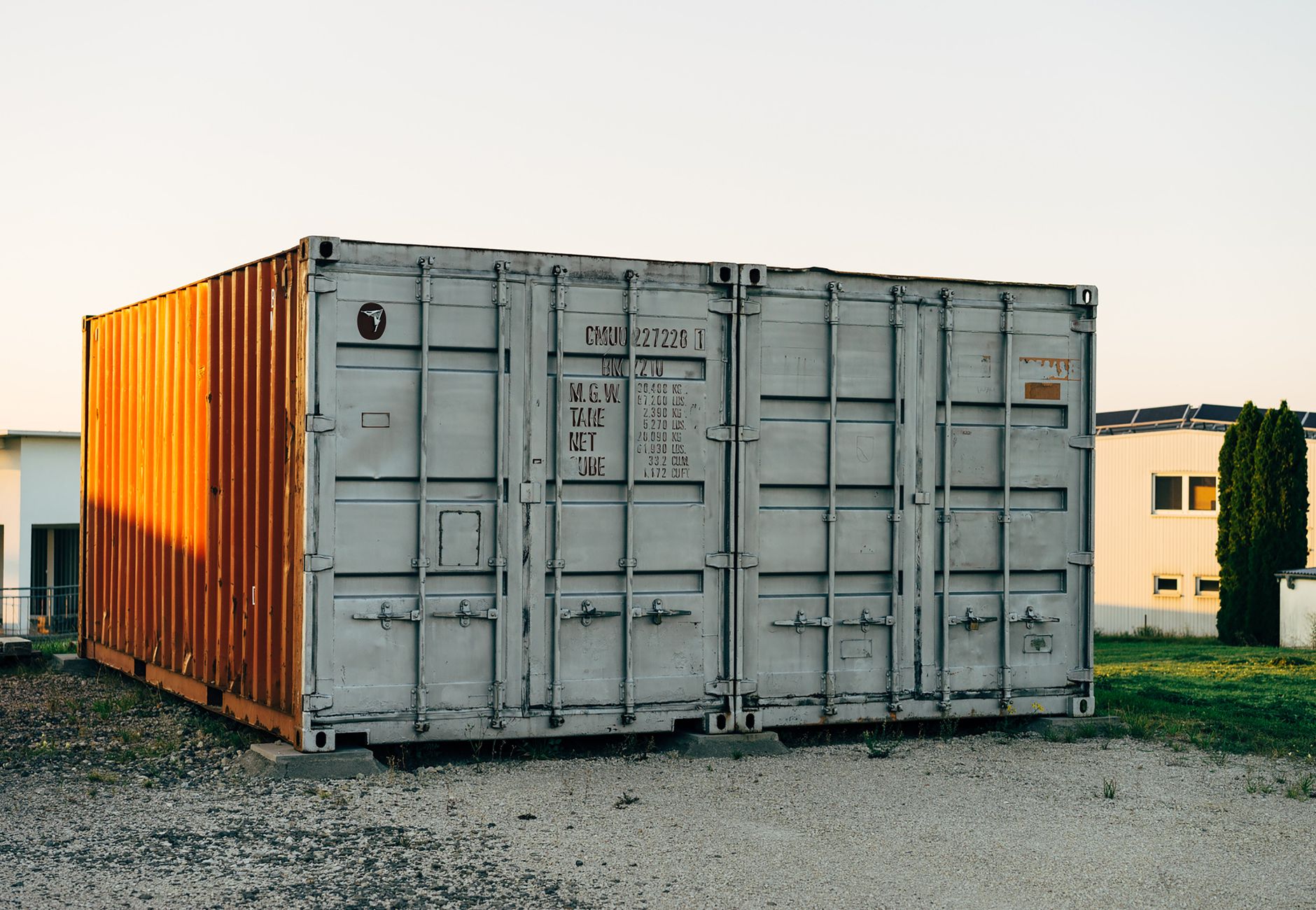 Photo by Markus Winkler on Pexels.
Desert environments are unforgiving in a specific way. Heat degrades battery chemistry, warps composite airframes, and causes thermal throttling in processors that weren't sized for sustained high-temperature loads. Dust infiltrates motors, clogs pitot tubes, and shorts exposed circuit boards. These aren't edge cases in arid theater operations. They are the baseline conditions.
Containerized systems address this differently than open-rack or fly-away kit configurations.
Thermal Management Starts Before Launch
The container itself is the first line of thermal defense. A properly engineered ISO 20ft deployment unit uses active climate control to maintain internal temperature regardless of external conditions. Before a drone ever leaves the enclosure, its batteries have been held at optimal charge temperature, its avionics have been operating in a controlled environment, and its pre-flight checks have run without heat-induced sensor drift.
That matters more than it sounds. Lithium polymer cells degrade faster above 45°C. A battery that's been sitting in a metal box in direct sun in the Arabian Peninsula for six hours before a mission has already lost a measurable percentage of its usable capacity. A containerized system with active thermal regulation doesn't have that problem.
Once airborne, the thermal equation shifts to the drone itself. But the margin you preserved on the ground is real. Cooler starting temperature means more headroom before thermal throttling kicks in on the flight controller.
Dust Is the Silent Killer
Heat gets the headlines. Dust kills more platforms.
Fine particulate in desert environments (and particulate from rotor wash in sandy soil) infiltrates brushless motors through any gap larger than a few microns. IP-rated motors with sealed bearings and conformal-coated windings are the floor, not the ceiling, for desert operations. The container's filtered intake and positive-pressure interior prevent dust accumulation on stored platforms between missions.
That positive pressure approach is worth understanding specifically. By maintaining slightly higher air pressure inside the enclosure than outside, the system prevents ambient air (and the particulate it carries) from passively infiltrating through seams and conduit penetrations. Small detail, significant outcome over a 90-day deployment.
graph TD
    A[External Desert Environment] --> B{Container Pressure Barrier}
    B --> C[Filtered, Climate-Controlled Interior]
    C --> D[Drone Storage at Optimal Temp]
    C --> E[Battery Conditioning System]
    D --> F[Pre-Flight Check]
    E --> F
    F --> G[Launch Sequence]
Launch and Recovery in Blowing Sand
The exposure window during launch and recovery is when containerized systems accept the most environmental risk. Roof hatch opens, rotor wash kicks up local particulate, and the drone transitions from protected interior to full desert exposure.
Good system design minimizes that window. Automated launch sequences that go from hatch-open to airborne in under 30 seconds reduce the time both the drone and the container interior are exposed. Recovery sequencing matters equally: the drone lands on a retractable pad, retracts into the enclosure, and the hatch closes before any post-flight handling begins.
Some deployments add a purge cycle after hatch closure: filtered air circulation that sweeps particulate off the returning platform before it reaches storage position. It adds 90 seconds to recovery time. Over a 200-mission deployment cycle, it significantly extends motor and sensor service intervals.
The Maintenance Equation
Operating in desert conditions without a containerized support infrastructure means field maintenance in full sun, with dust in the air, on platforms that have been thermally stressed. That's where avoidable failures compound.
Containerized systems move maintenance indoors, in controlled conditions, with access to tools and parts stored in the same enclosure. Technicians work in a shaded, filtered environment. Replacement components are at the same temperature as the platform. Adhesives and lubricants perform to spec rather than flashing off in 55°C ambient temperatures.
This is one of the practical arguments that rarely shows up in capability briefings but matters considerably on a long-duration deployment. Fewer heat-induced maintenance errors. Longer mean time between failures. More missions per platform per deployment cycle.
Desert environments don't require exotic solutions. They require systems that were designed with environmental reality as a constraint from the start, not engineered for temperate conditions and then adapted. Containerized drone systems that build thermal management and dust exclusion into the enclosure design deliver operational reliability that open-configuration platforms can't match when the temperature gauge reads 50 and the wind is blowing the wrong direction.
Get Drone in a Package in your inbox
New posts delivered directly. No spam.
No spam. Unsubscribe anytime.