Container Standardization Wars: Why ISO 20ft Beats Custom Enclosures for Autonomous Systems
 D. Marsh
Container Standardization Wars: Why ISO 20ft Beats Custom Enclosures for Autonomous Systems
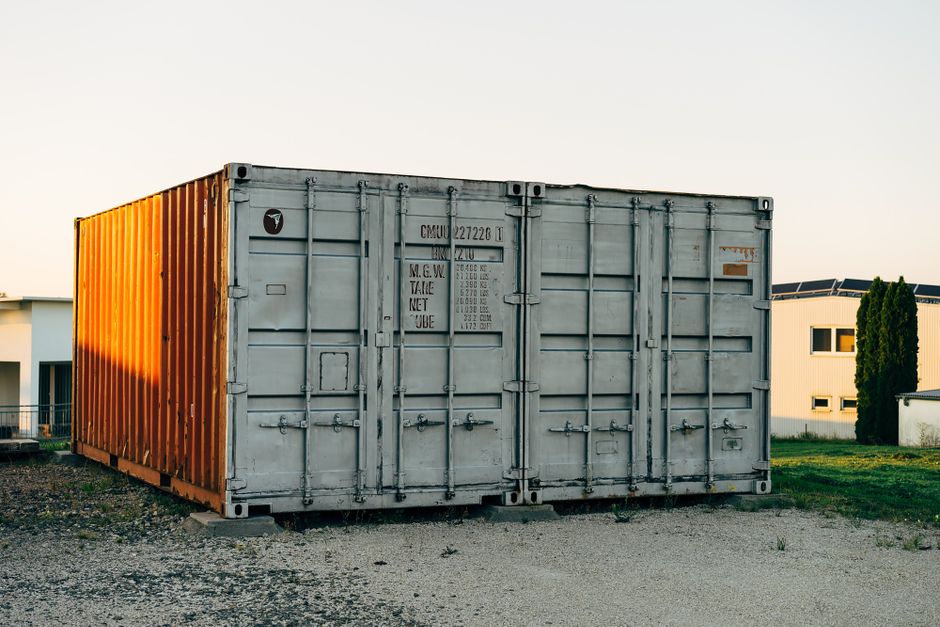
Defense contractors love their bespoke solutions. Custom-designed enclosures that look sleek in PowerPoint presentations but fall apart when you try to ship them from Norfolk to the Persian Gulf on three days' notice.
ISO 20ft containers changed global commerce forever. The same standardization that moves sneakers from Vietnam to Walmart shelves can revolutionize how we deploy autonomous systems. Yet many organizations still resist this proven approach, clinging to proprietary form factors that create more problems than they solve.
The Hidden Cost of Custom Enclosures
Building a custom housing for your drone system feels like engineering excellence. You optimize every cubic inch, design elegant cable management, and create something that photographs beautifully for trade show booths.
Then reality hits.
Your custom enclosure needs special handling equipment at every port. Shipping companies charge premium rates because it doesn't stack with standard containers. When components fail in the field, replacement parts require custom manufacturing with 12-week lead times.
Meanwhile, the drone system inside, your actual capability, sits idle because you can't get the fancy box to where it needs to go.
Why ISO 20ft Containers Win Every Time
Standard shipping containers exist everywhere humans conduct commerce. Every port, every military base, every industrial facility has the equipment to move them. No special cranes, no custom trailers, no lengthy explanations to logistics personnel.
graph TD
    A[Containerized System Ready] --> B[Standard TEU Transport]
    B --> C[Port Handling Equipment]
    C --> D[Railway Compatible]
    D --> E[Truck Transport]
    E --> F[Deployed and Operational]

    G[Custom Enclosure] --> H[Special Handling Required]
    H --> I[Equipment Delays]
    I --> J[Cost Overruns]
    J --> K[Mission Delay]
The 20ft container hits the sweet spot for autonomous systems. Large enough to house substantial drone platforms with launch/recovery equipment, small enough to access locations that can't accommodate 40ft containers. Most military forward operating bases can handle 20ft containers; many cannot accommodate larger units.
Beyond logistics, the structural benefits matter. ISO containers are designed to be stacked nine high when loaded and support massive loads. This translates to excellent protection for sensitive equipment during transport and superior stability during operations.
Real-World Deployment Scenarios
Consider a border surveillance mission requiring rapid deployment of autonomous ISR platforms. With ISO-standard containers, you load the system onto any available truck, rail car, or ship. The receiving location requires no specialized equipment or training.
Contrast this with custom enclosures: special transport arrangements, unique handling procedures, personnel training, and inevitable delays when something doesn't fit or work as expected.
The operational tempo of modern missions doesn't accommodate these complications. When you need ISR coverage in 72 hours, standardization becomes a force multiplier.
Engineering Around the Standard
Some engineers argue that working within container dimensions constrains their designs. This misses the point entirely.
Constraints drive innovation. The best drone-in-a-box solutions maximize capability within standard dimensions rather than optimizing dimensions around capability. This approach forces engineers to solve real problems: efficient space utilization, modular component design, and simplified maintenance procedures.
These solutions prove more robust in practice. When every cubic inch matters, you eliminate redundancy and focus on essential functions.
The Network Effect
Standardization creates network effects that benefit everyone. As more autonomous systems adopt ISO container formats, we develop shared infrastructure: standardized power connections, common communication interfaces, and interoperable control systems.
This ecosystem approach reduces costs across the board. Component suppliers can achieve economies of scale. Maintenance personnel can service multiple system types with common tools and procedures.
Custom solutions prevent these benefits from emerging. Each bespoke enclosure requires unique everything: parts, tools, training, and procedures.
Making the Transition
Organizations committed to custom enclosures often cite sunk costs as barriers to standardization. This reasoning ignores the ongoing operational costs of maintaining proprietary solutions.
Every custom enclosure becomes a long-term commitment to specialized logistics, unique maintenance requirements, and vendor lock-in. These costs compound over time while standard container benefits accrue immediately.
The transition starts with asking better questions during system design: How quickly can we deploy this? What happens when we need ten units instead of one? Can any logistics team move this without special training?
These questions lead naturally toward standardization, and toward systems that actually work when you need them most.
Get Drone in a Package in your inbox
New posts delivered directly. No spam.
No spam. Unsubscribe anytime.