Containerized Command Posts: Why Mobile C2 Infrastructure Beats Fixed TOCs
 D. Marsh
Fixed tactical operations centers (TOCs) dominated military command and control for decades. Those days are ending.
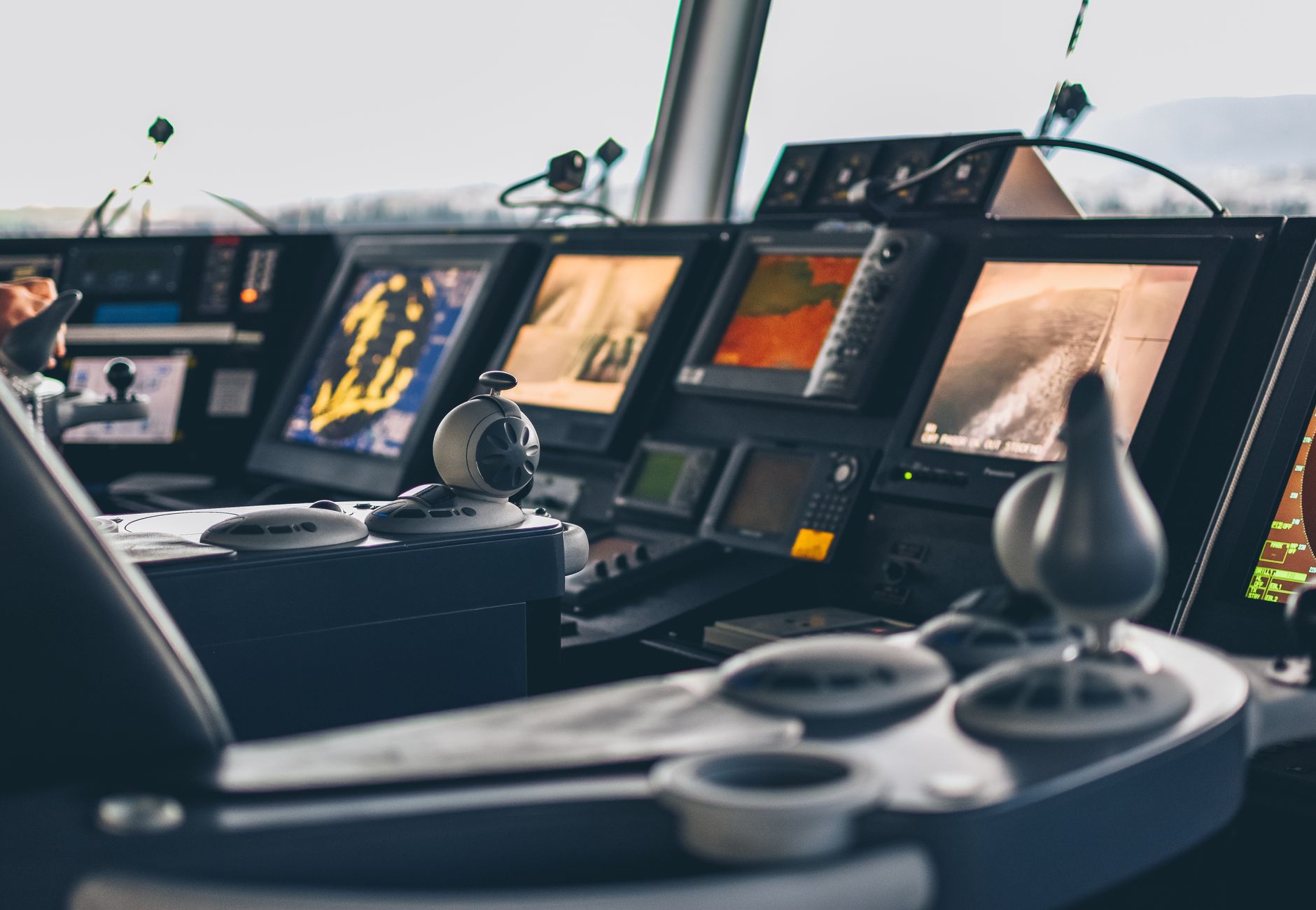 Photo by Ibrahim Boran on Pexels.
Modern containerized command posts strip away the bloat of permanent installations while delivering superior operational flexibility. Unlike traditional TOCs that require weeks to establish and significant engineering support, containerized C2 systems deploy in hours with standard transport equipment.
The Transportation Problem That Nobody Talks About
Move a brigade-level TOC today and you're looking at 40+ vehicles, specialized generators, and a small army of signal technicians. The logistics footprint often exceeds the combat elements it supports.
Containerized command posts flip this equation. A single 20-foot ISO container can house a battalion-level command center with integrated communications, computing power, and life support. Deploy three containers and you have redundant systems that would typically require a dozen tents and countless cable runs.
The math is stark: traditional TOCs average 72 hours from arrival to operational status. Containerized systems achieve initial operating capability in 4-6 hours.
Power and Cooling: Where Fixed Systems Fail
Heat kills electronics faster than enemy action in most theaters. Traditional TOCs burn through generators trying to cool server racks crammed into canvas shelters never designed for high-density computing.
graph TD
    A[20ft Container] --> B{Power Distribution}
    B --> C[C2 Computing Stack]
    B --> D[Environmental Control]
    B --> E[Communications Suite]
    C --> F[Tactical Networks]
    D --> G[Backup Cooling]
    E --> H[Satellite Uplinks]
Containerized command posts solve this through integrated thermal management. Purpose-built containers maintain consistent operating temperatures while consuming 60% less power than equivalent tent-based installations. This isn't just efficiency, it's survivability when fuel convoys face interdiction.
Security Posture: Hard Targets vs. Soft Shells
Canvas doesn't stop bullets. Steel containers do.
Traditional TOCs present massive signatures: generator noise, tent cities, vehicle parks that scream "command post" to anyone with basic reconnaissance training. Worse, they require extensive defensive perimeters because the command elements themselves offer zero protection.
A containerized command post looks like logistics equipment until activated. The steel shell provides ballistic protection equivalent to light armor. Stack containers in defensive configurations and you eliminate the need for separate bunkers or hardened facilities.
Scalability Without Footprint Explosion
Growing a traditional TOC means more tents, more generators, more cables snaking across the ground. Each expansion increases vulnerability and complexity.
Containerized systems scale through standardized interfaces. Need additional processing power? Stack a compute container. Require enhanced communications? Add a signals container. Each module integrates through standard military connectors without rewiring existing systems.
This modularity extends to personnel training. Operators learn one container layout that remains consistent regardless of mission scale or theater location.
The Logistics Reality Check
Shipping containers move on every transport platform in the military inventory. Ships, trucks, trains, heavy-lift aircraft, all handle ISO containers without specialized equipment.
Traditional TOCs require dedicated transport for oversized shelters, custom mounting systems, and separate vehicles for support equipment. Miss one component during movement and the entire command capability degrades.
Containerized command posts eliminate these dependencies. Each container carries everything needed for its specific function. Lose one container and you lose one capability, not the entire command structure.
Integration With Existing Systems
Containerized command posts don't replace existing military networks, they enhance them. Standard SIPR/NIPR connections, satellite communications interfaces, and tactical radio integration ensure seamless operation within current doctrine.
The difference lies in deployment speed and operational resilience. When threat conditions require rapid displacement, containerized systems relocate in minutes rather than hours.
Military logistics already moves in containers. Military command and control should follow the same proven path. The question isn't whether containerized C2 will replace fixed installations, it's how quickly commanders will abandon systems that can't keep pace with modern operational tempo.
Get Drone in a Package in your inbox
New posts delivered directly. No spam.
No spam. Unsubscribe anytime.