Drone-in-a-Box: Bridging the Gap Between Demo and Deployment
 D. Marsh
The pitch is compelling. A ruggedized box, pre-loaded with a drone, deployed to a remote location. It launches, flies a mission, returns, recharges, and does it again. No pilot on site. No maintenance crew. Just a box that provides persistent aerial capability wherever you put it.
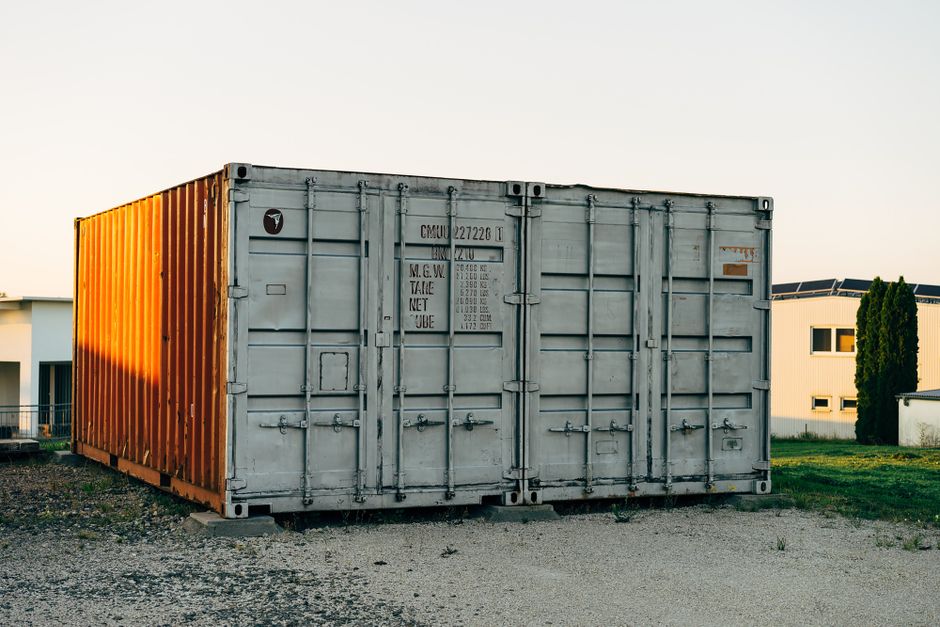
The reality is that most drone-in-a-box programs stall somewhere between the impressive demo and actual field deployment. The gap is not in the drone technology. It is in everything around it.
graph LR
    Pack[Pack & Store] --> Deploy[Deploy to Site]
    Deploy --> Launch[Autonomous Launch]
    Launch --> Operate[Fly Mission]
    Operate --> Recover[Return & Recharge]
    Recover --> Launch
Start with weather. A drone that works perfectly in a controlled demo fails in 25-knot crosswinds, heavy rain, or temperature extremes. The box itself has to manage thermal regulation for the drone, the batteries, and the electronics across a range from desert heat to arctic cold. Condensation alone can kill avionics if the environmental control is not designed correctly. Most prototypes skip this problem. Most field deployments hit it immediately.
Autonomous launch and recovery is harder than it looks. The drone needs to depart the box, execute its mission, and return to land precisely on a small platform -- potentially in wind, at night, with degraded GPS. The precision landing problem has been solved in controlled environments, but robust, reliable operations across thousands of cycles with no human intervention is a different standard. One failed landing in a hundred cycles might be acceptable in a demo. In a deployed system running four sorties a day, that is a failure every 25 days.
Communications and remote management add complexity. The box needs reliable connectivity to a command center for mission tasking, telemetry, and health monitoring. In permissive environments, cellular works. In austere or contested environments, you need satellite links, mesh networks, or pre-programmed autonomous missions that execute without real-time connectivity. Each approach has cost, latency, and reliability tradeoffs.
Power is the unsexy constraint that kills programs. A box running in a remote location needs power for the drone, the charging system, the computing, the environmental controls, and the communications. Solar, generator, and grid connections each have limitations. Battery endurance for the drone limits mission duration. Charging speed limits sortie rates. The power budget drives the box size, which drives the logistics footprint, which drives the deployment cost.
The companies making real progress are the ones that stopped optimizing the drone and started solving the box. The drone is the easy part. The system that keeps it flying, day after day, without a human touching it -- that is the product.
Get Drone in a Package in your inbox
New posts delivered directly. No spam.
No spam. Unsubscribe anytime.