Night Operations, No Crew Required: How Containerized Drone Systems Own the Dark
 D. Marsh
Darkness used to be the great equalizer. Whatever advantages a force held during daylight hours, nightfall compressed them. Visibility dropped, coordination broke down, and the cost of keeping human crews alert through a 12-hour watch cycle added up fast.
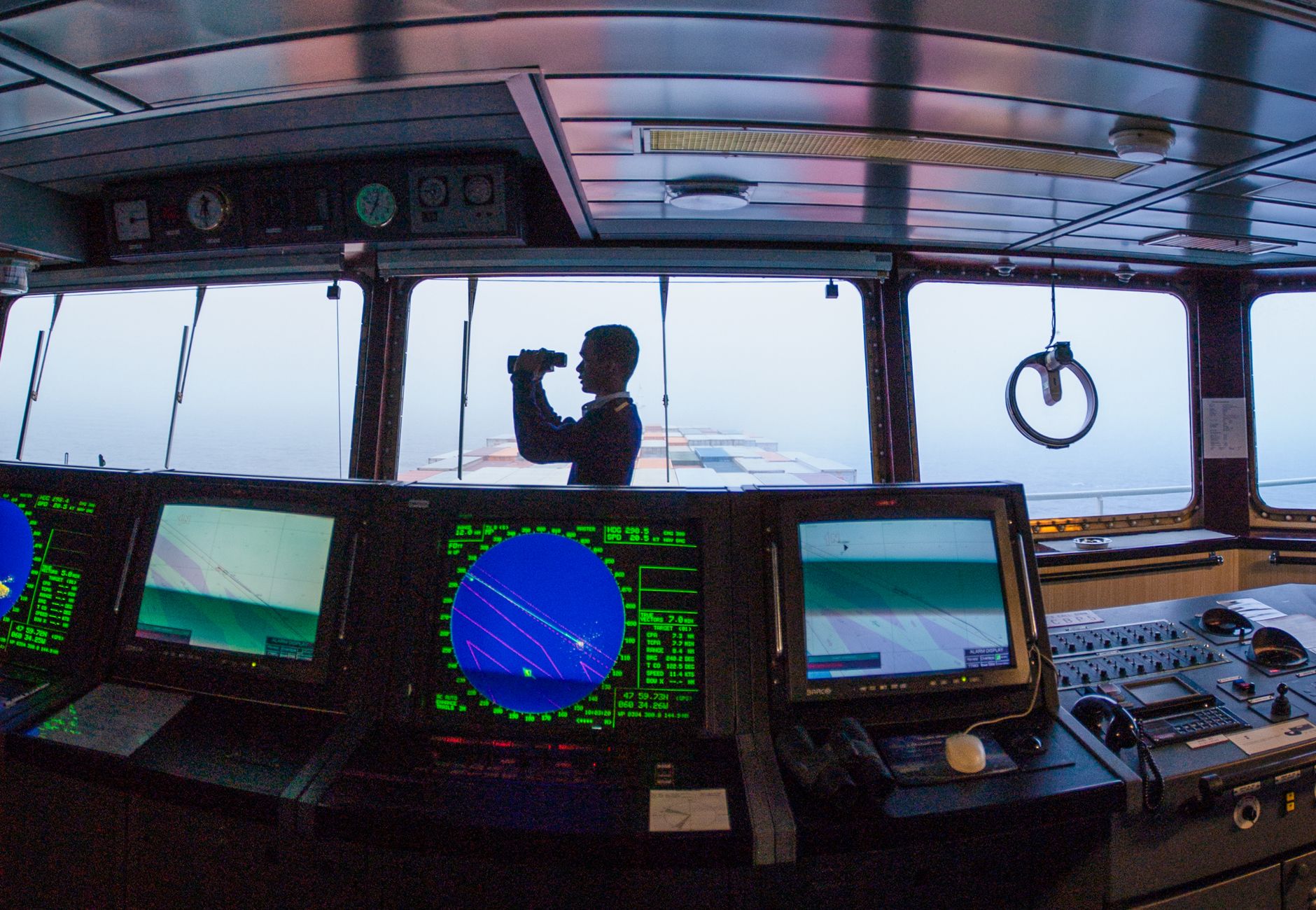 Photo by Simon R. Minshall on Pexels.
Containerized drone systems change that math. Not by making operators superhuman, but by removing the operator from the equation entirely during sustained low-light operations.
What Persistent Autonomous Night Coverage Actually Looks Like
A containerized system parked at a forward position can cycle drones through a patrol pattern continuously from dusk to dawn. Each unit lands, recharges, swaps or recharges its thermal payload if needed, and relaunches. The container handles all of it. No crew on-site. No fatigue degrading sensor attention at 0300.
The key enabler is onboard processing. Modern containerized platforms pair uncooled LWIR (long-wave infrared) sensors with edge inference hardware that can classify targets, flag anomalies, and push alerts to a remote operator without streaming raw video over a congested link. The operator reviews flagged events. They do not stare at a live feed for eight hours.
That distinction matters operationally. Attention is finite. Automated pre-screening of sensor data routes human cognition to confirmed contacts rather than blank ground.
The Sensor Stack for Low-Light Autonomous Ops
Night capable containerized drone platforms typically carry at least three sensor types working in parallel:
LWIR thermal imaging detects heat signatures independent of ambient light. It works in full blackout conditions and can reveal personnel, vehicles, and equipment that visible-light sensors miss entirely.
Low-light EO cameras with high-sensitivity CMOS sensors supplement thermal data in conditions where there is starlight or partial moon. Fused with thermal, they give operators context that pure IR can obscure.
Acoustic sensors or radar altimeters round out the stack by supporting terrain-following during flight in unlit environments where GPS alone is insufficient for safe low-altitude ops.
Some systems add short-pulse LiDAR for obstacle detection during autonomous landing sequences. In a field with no lighting infrastructure, hitting a vehicle antenna or a wire during return-to-home ends a mission and destroys the asset.
graph TD
    A[Launch from Container] --> B{Patrol Waypoints}
    B --> C[LWIR + EO Sensor Fusion]
    C --> D{Anomaly Detected?}
    D -->|No| B
    D -->|Yes| E[Alert Pushed to Remote Operator]
    E --> F[Operator Reviews Flagged Event]
    F --> G[RTB and Recharge]
    G --> A
Autonomy Isn't Absence of Control
A concern that surfaces in procurement discussions: full autonomy at night feels like a loss of command visibility. That concern is legitimate when the system is poorly designed. It dissolves when the telemetry architecture is honest.
Well-built containerized systems maintain a continuous audit trail. Every waypoint flown, every sensor alert generated, every autonomous decision logged with timestamp and GPS coordinates. If the communications link to the remote operator degrades, the system executes its pre-planned profile and queues all events for transmission when the link restores. The operator wakes up to a complete record, not a gap.
This is standard practice in industrial autonomous systems. Oil and gas pipeline inspection drones have operated this way for years. Military applications require stricter rules of engagement constraints wrapped around the autonomy layer, but the logging and failsafe principles are the same.
Industrial Night Operations: A Different Set of Problems
The military context gets most of the attention, but industrial operators face equally demanding night requirements. Critical infrastructure inspection, perimeter security for energy facilities, and port surveillance all run around the clock.
For these applications, the value of a containerized night system is reliability over months, not days. A single ISO container at a power substation can run nightly autonomous perimeter scans, compare thermal signatures against baseline readings to flag equipment anomalies, and do it without a dedicated security headcount on site. The system pays for itself against labor costs within a defined period, depending on facility size and local wage rates.
Industrial night ops also face regulatory environments that military users bypass. Night BVLOS (beyond visual line of sight) approvals vary significantly by jurisdiction. Containerized systems help here because their fixed operating profiles and logged data histories give regulators the evidence trail needed to approve expanded operational envelopes over time.
Readiness at Sundown
The point of a containerized system is that it is ready when conditions demand it, not when a crew can be assembled. Night operations are predictable: they happen every 24 hours. A system that needs manual configuration, a pre-flight crew, and an on-site operator to function after dark is not a persistent capability. It is a scheduled event.
Containerized autonomous platforms treat night like any other operating condition. The container closes at the end of the day. The work continues.
Get Drone in a Package in your inbox
New posts delivered directly. No spam.
No spam. Unsubscribe anytime.