Relay Nodes and Redundancy: How Containerized Drone Systems Extend Operational Range Without Breaking the Comms Chain
 D. Marsh
Range is where most drone programs quietly fall apart. The platform flies well, the sensor performs, the operators are trained. Then someone pushes the mission ten kilometers past the tested envelope and the link drops. What follows is either a return-to-home sequence or a littering event.
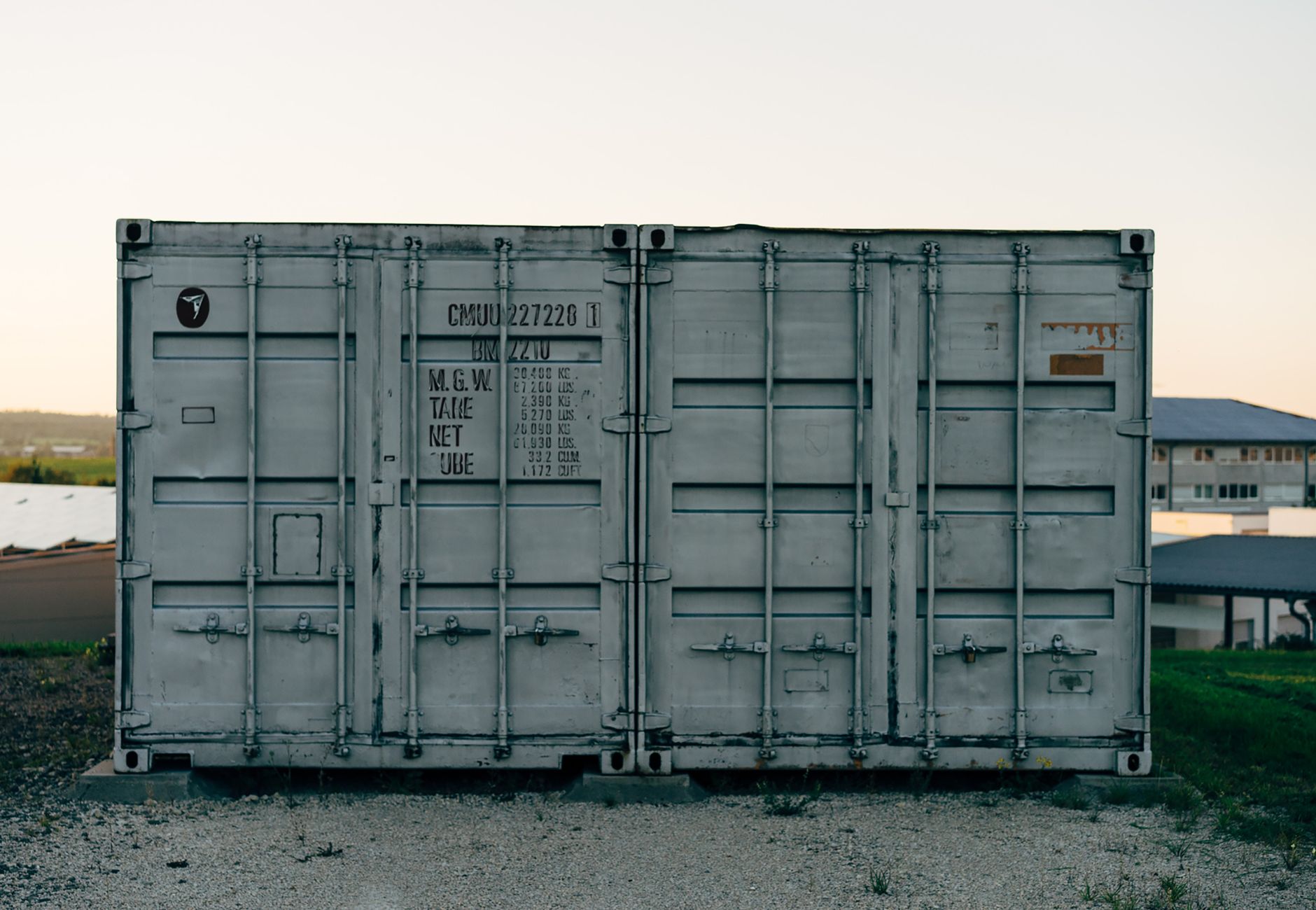 Photo by Markus Winkler on Pexels.
Containerized drone systems solve a portion of this problem through better link budgets and hardened radios. But the real answer to extended operational range sits in a concept most procurement documents undervalue: the relay node.
The Gap Between Line-of-Sight and Mission Requirement
Most tactical UAS operate on direct RF links. Clean line-of-sight, predictable latency, manageable data rates. That works fine at the ranges the datasheet was designed around, which are typically ranges that make the demo look good.
Real terrain doesn't cooperate. Ridgelines mask signals. Urban structures scatter and absorb. Foliage at certain frequencies acts like a wall. The mission requirement rarely aligns with the flat-range geometry the link was calculated against.
Satellite links extend range but introduce latency and single points of failure. They also depend on access to bandwidth that may be contested, denied, or simply unavailable at the moment of need.
So what fills the middle ground?
Containerized Relay: A Node You Actually Control
A containerized drone system can forward-deploy a relay node the same way it deploys a surveillance asset or a logistics platform. Same container. Same logistics chain. The relay becomes an organic capability rather than an infrastructure dependency.
Here's what that looks like operationally. A ground-based container at a forward position launches a tethered or persistent loitering platform carrying a relay payload. That platform holds altitude, maintains a 360-degree RF horizon, and bridges the link between the operator and the mission asset operating well beyond direct-line range.
The relay doesn't need to be airborne. A second containerized system positioned at a terrain advantage can serve as a ground relay, passing the signal through a wired or wireless backhaul to the command node. The key is that the relay is deployable, not fixed. It moves when the mission moves.
graph TD
    A[Command Container] --> B(Ground Relay Node)
    B --> C((Airborne Relay))
    C --> D[Mission UAS]
    A --> E{Satellite Uplink}
    E --> D
This diagram shows the two paths: through the relay chain and through satellite backup. Neither path depends on the other. Both can operate simultaneously, and the system routes through whichever link has acceptable latency and signal quality at any given moment.
Redundancy Isn't Just Backup. It's Architecture by Necessity.
A single relay node extends range. Multiple relay nodes with automatic handoff create something more useful: a resilient comms mesh that degrades gracefully rather than failing completely.
Graceful degradation matters because contested environments rarely cut signals cleanly. Interference, jamming, and multi-path distortion all cause intermittent loss. A system built around a single link will drop commands at the worst possible moment. A system with redundant paths will re-route, reduce data rate, and maintain at minimum the control link even when video is sacrificed.
Containerized systems are well-suited to this because they can carry the full relay payload alongside the compute hardware needed to manage link prioritization. The decision logic runs locally. No cloud dependency, no round-trip to a remote server to determine which path to use. The container handles it.
What This Looks Like at Scale
Think about a battalion-level persistent ISR requirement covering a 40-kilometer front. A single ground station with direct RF link cannot cover that geometry. Traditionally, that would require fixed infrastructure: towers, cable runs, generators, and personnel to maintain all of it.
With containerized relay nodes, the same requirement gets addressed with a small number of vehicle-mounted or position-dropped containers. Each container launches its relay asset, meshes with adjacent nodes, and the network self-heals if one node goes down or needs to reposition.
The operational tempo benefit is significant. Moving the front line doesn't require re-running cable or rebuilding infrastructure. The containers move and the network reconstitutes.
The Procurement Argument
Buyers evaluating containerized drone systems should ask two questions that rarely appear on spec sheets. First: what is the maximum operational range when the direct RF link fails? Second: how many relay nodes are included, and how long does each take to establish a working link?
Those answers separate systems designed for controlled conditions from systems designed for the field. Range numbers on a datasheet assume ideal conditions. Relay architecture tells you what happens when conditions are not ideal, which is nearly always.
Deploy the container. Extend the network. Own the range.
Get Drone in a Package in your inbox
New posts delivered directly. No spam.
No spam. Unsubscribe anytime.