Tube-Launched UAS and the End of the ISR Request Queue
 D. Marsh
A squad leader in a contested environment needs eyes on the next ridgeline. Today, the process for getting aerial ISR often involves a request that flows up the chain, competes with every other priority in the theater, and maybe results in a Predator orbit twelve hours later. Maybe. Tube-launched UAS changes that calculus entirely.
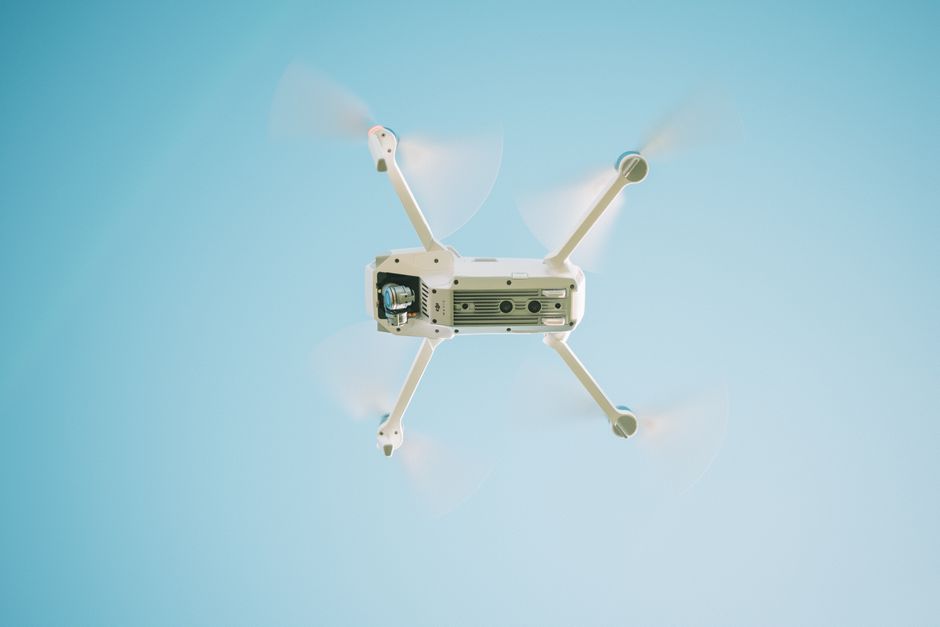
The concept is straightforward. A drone, packed into a sealed tube or canister, stored at the point of need, launched without a runway or a trained pilot. The system goes from stowed to airborne in minutes, not hours. The operator is the person who needs the information, not a remote pilot sitting in a GCS thousands of miles away. Organic ISR, owned by the unit that needs it.
The engineering challenges are real but solvable. The drone has to survive storage in a sealed container for months or years -- temperature extremes, humidity, vibration from transport. The launch mechanism needs to be reliable with zero maintenance. The airframe has to transition from a packed configuration to flight-ready in seconds, which means either folding wings or unconventional aerodynamic designs. And the whole system needs to be light enough that a squad can carry it alongside everything else they are already hauling.
Several programs are pushing this forward. AeroVironment's Switchblade family demonstrated the tube-launch concept for loitering munitions. The next step is persistent ISR platforms that launch the same way but stay aloft for hours, providing continuous coverage that the unit controls directly. The Navy's LOCUST program explored tube-launched swarms. DARPA has funded multiple containerized UAS efforts.
The tactical implications go beyond just faster ISR. A tube-launched drone cached at a forward position provides instant situational awareness without exposing personnel. Pre-positioned across a theater, these systems create a distributed sensor network that does not depend on airfield access or satellite bandwidth. Each unit becomes its own ISR provider.
The logistics model is also different. Traditional UAS requires maintenance crews, spare parts chains, and trained operators. A tube-launched system is closer to ammunition -- manufactured, shipped, stored, and expended. You do not repair it. You use it and open the next tube. That shift from reusable platform to expendable capability changes the cost model and the operational mindset.
The units that will dominate future contested environments are the ones with organic sensing they control directly. Tube-launched UAS makes that possible at scale.
Get Drone in a Package in your inbox
New posts delivered directly. No spam.
No spam. Unsubscribe anytime.